Why Dental Implants Are Becoming The Most Popular Tooth Replacement In Cairns
Tooth loss used to mean you had to accept a noticeable gap or adjust to a replacement that never quite felt like you. People often learned to chew on one side, avoided certain foods or smiled with a bit less ease. Over the last decade, that expectation has shifted. More patients now want a replacement that looks natural, feels stable and lasts for years without constant fuss.
Dental implants have stepped into that space, not as a luxury option, but as a practical choice for everyday life. They solve the visible problem of a missing tooth, but they also treat what’s happening underneath, supporting the jaw and helping surrounding teeth stay in place. With better technology, clearer planning and strong long-term results, implants are becoming the first option many people look at when thinking about tooth replacement.
This guide explains why
dental implants in Cairns are rising in popularity, how they compare to other solutions and what a dental clinic does to help patients through the process.
Dental implants feel like real teeth because they replace the root, not just the crown.
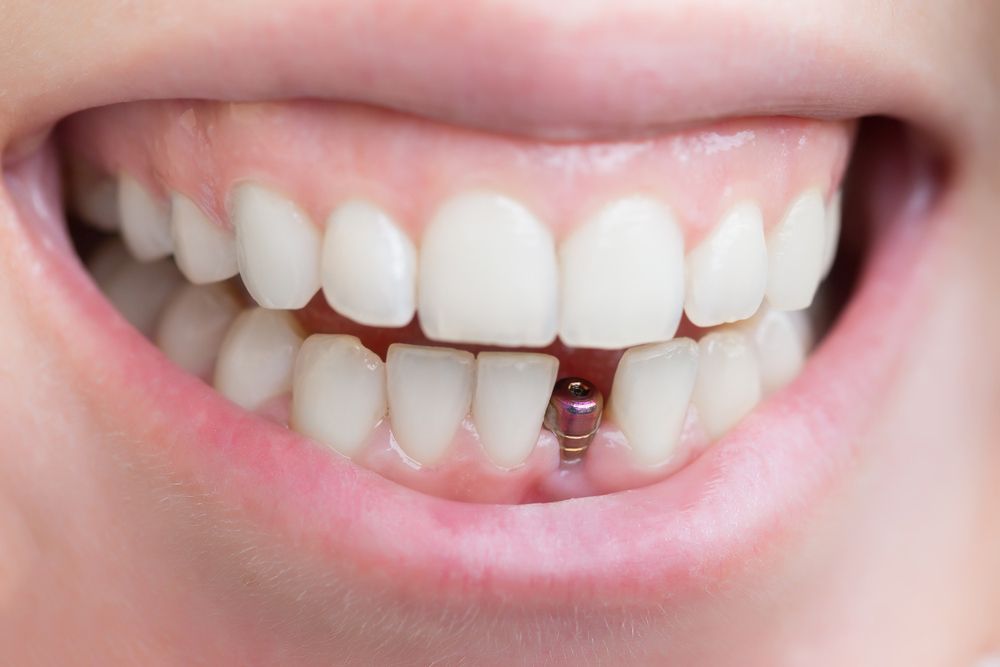
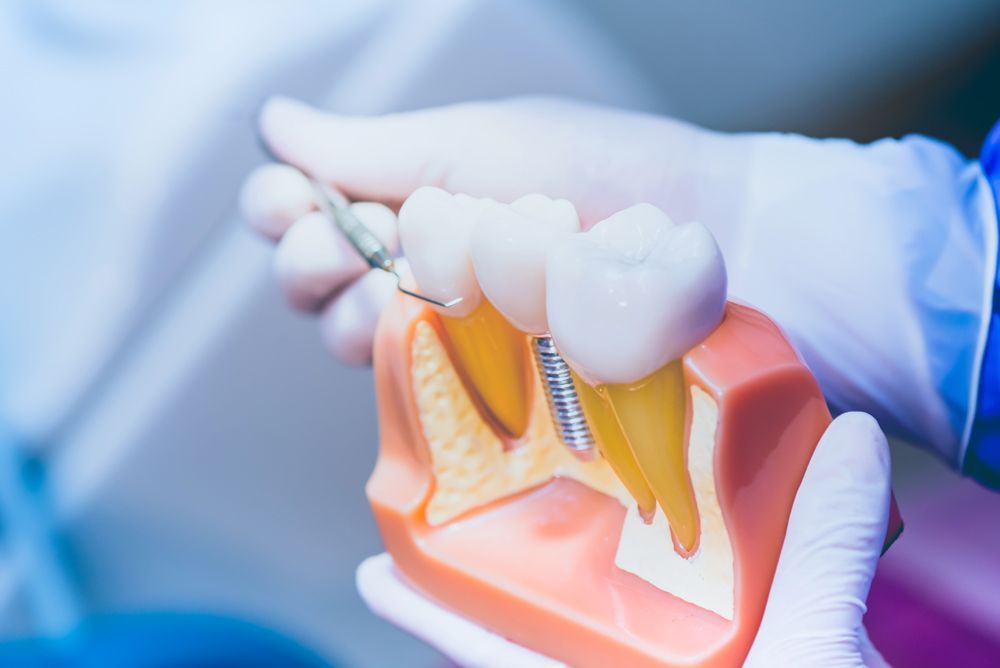
An implant works differently to other tooth replacements because it starts at the foundation. Instead of sitting on top of the gums or leaning on neighbouring teeth, an implant is placed into the jaw where the original tooth root used to be. Over time, the bone bonds to the implant, creating a stable anchor. That stability is why implants feel close to natural teeth when you eat or speak.
A dental clinic manages this in stages. First comes the assessment and surgical placement of the implant. After healing, a custom
crown is attached to restore the visible tooth. Because the implant is independent, it doesn’t rely on other teeth for support, keeping the bite balanced and allowing you to chew confidently without worrying about movement. When people say implants “feel normal”, this root replacement is usually the reason.
From single gaps to full smiles, implants cover more situations than people expect.
Many people think implants are only for replacing one tooth. In reality, they’re used across a wide range of cases, often with solutions tailored to different levels of tooth loss. A clinic will assess your bite, bone levels and goals, then recommend the approach that best suits your situation. Common implant services include:
- Single tooth implants to replace one missing tooth without altering the surrounding teeth.
- Implant bridges where a few implants hold several teeth, avoiding the need for a tooth-supported bridge.
- Implant retained dentures that clip onto implants for better stability and comfort.
- Full arch implants designed to replace all teeth in the upper jaw, lower jaw, or both with a fixed result.
Because implants are modular, treatment can be shaped to your needs rather than squeezed into a standard option.
Why more patients are choosing a long-term fix over short-term patch-ups.
One push behind implant popularity is simple practicality. People increasingly want a replacement that lasts, with fewer repairs and fewer compromises over time. An implant is designed as a long-term solution, with the implant fixture itself often lasting decades when cared for well.
That doesn’t mean implants are “set and forget”. A clinic will talk through maintenance, including good brushing, flossing and regular reviews. The difference is that implants don’t commonly need frequent adjustments the way removable options do and they don’t put extra strain on neighbouring teeth. Over the years, that can translate into fewer return visits for repairs and fewer unexpected costs.
For many patients, the appeal isn’t only longevity: it’s the peace of mind of choosing one solid treatment rather than a cycle of replacements.
Implants vs dentures and bridges: what actually changes day to day?
Dentures and bridges still have a place, and a dental clinic will offer all three options when discussing tooth replacement. The key question is how each choice affects daily life. Implants change the experience because they’re fixed, stable and function more like natural teeth. Here’s what patients often notice:
- With implants: chewing feels secure, speech is less affected and there’s no need to remove anything at night.
- With dentures: movement can occur during eating or talking, adhesives may be needed and pressure on gums can cause soreness.
- With bridges: the replacement is fixed, but it relies on adjacent teeth being shaped and can be harder to clean under.
Day to day, implants tend to feel less like a dental appliance and more like a restored tooth. That shift in normality is a big driver of preference.
Modern imaging and guided surgery make implant treatment more predictable.
Implant treatment has benefited hugely from advances in dental technology. Today, clinics can plan implant placement in far more detail than in the past, which improves accuracy and reduces surprises during surgery.
A typical technology-supported pathway includes a 3D scan to map your jawbone, nerves and sinus spaces. The dentist uses that scan to plan the implant position digitally, checking angles, depth and spacing before any procedure begins. In many cases, guided surgery tools are used to transfer that plan to the mouth with high precision.
For patients, the benefit is a smoother, more predictable procedure. Planning also supports better aesthetics, because the final crown can be designed with ideal alignment from the start. The result is a treatment that feels more straightforward and more reliable, which helps more people say yes to implants.
Healing, aftercare and check-ups are where success is protected.
Implants are a process, not a one-visit fix. Healing time is when the bone integrates with the implant, turning it into a stable part of your jaw. A clinic will explain what to expect in recovery, including how long healing might take and what you should avoid during the early weeks.
Aftercare usually involves:
- A review soon after placement to confirm healing is on track
- Tailored hygiene advice around the implant site
- Monitoring gum health to prevent inflammation
- Long-term check-ups to ensure the bite remains balanced
These visits aren’t box-ticking. They’re what protect the implant from avoidable issues like infection or overload. Patients who stick with review schedules tend to enjoy the best long-term outcomes, and clinics build those check-ins into the overall treatment plan.
If you’ve lost bone or had teeth missing for years, implants may still be possible.
A common hesitation is “I’ve been missing that tooth too long, I probably can’t get an implant.” Time does matter because bone can shrink without a tooth root to stimulate it. Even so, many patients are still suitable, and a dental clinic can assess this properly with imaging and clinical checks.
If bone levels are low, the clinic may discuss adjunct procedures such as bone grafting or sinus lifting, depending on the area involved. These procedures aim to rebuild a stable base for the implant. Suitability also depends on general health, gum condition and habits like smoking.
The important point is that suitability is individual. A proper assessment is the only way to know what’s possible, and many people are pleasantly surprised by the options available.
Confidence is the quiet reason implants keep winning hearts.
Beyond the technical advantages, there’s a personal reason implants have become so popular. Missing teeth can make people hold back in subtle ways. They may avoid chewing in public, speak less clearly, or smile with restraint because they’re worried something looks off.
Implants tend to restore confidence because they don’t feel temporary. Patients often report:
- Feeling comfortable smiling in photos again
- Eating a full range of foods without second-guessing
- Speaking without worrying about movement or clicking
- Enjoying social situations without planning around the gap
These aren’t dramatic transformations. They’re everyday freedoms returning. When a replacement feels stable and looks natural, people stop thinking about it, and that mental relief is a real quality of life gain.
If you’re considering tooth replacement in Cairns, dental implants near you are worth a close look, especially if you want a fixed option that feels natural and supports long-term oral health. We at The Dentists Cairns Dental Group provide implant consultations, digital planning, surgical placement, custom crowns and ongoing implant care to help patients choose a solution that suits their needs. Visit https://www.cairnsdentalgroup.com.au/ or contact our team to book an assessment and find out whether dental implants are the right step for you.