Guide To Dental Implants: What They Are And How They Work
Losing a tooth can affect everyday routines in ways many people do not expect. Eating certain foods may feel uncomfortable, speech can change slightly and some people become more aware of gaps in their smile over time.
For people researching dental implants in Cairns, understanding how implants work is often the first step before deciding whether treatment may be suitable. Dental implants are designed to replace missing teeth using a structure placed beneath the gumline, creating support for a replacement tooth or restoration.
Because implant treatment involves several stages, many patients find it helpful to understand the process in plain language before attending a consultation.
Missing Teeth Can Affect More than Just Your Smile
A missing tooth is not always only a cosmetic concern. Teeth work together to support chewing, speech and jaw alignment, so losing one or more teeth can gradually affect surrounding structures.
Over time, nearby teeth may begin shifting into the empty space, while reduced stimulation in the jawbone can contribute to changes in bone density. Some people also find they avoid certain foods because chewing feels uncomfortable on one side of the mouth.
Dental implant treatment is one option dentists may discuss when replacing missing teeth. Unlike removable appliances, implants are placed within the jaw to support a crown, bridge or denture restoration.
What Exactly Is a Dental Implant Made Of?
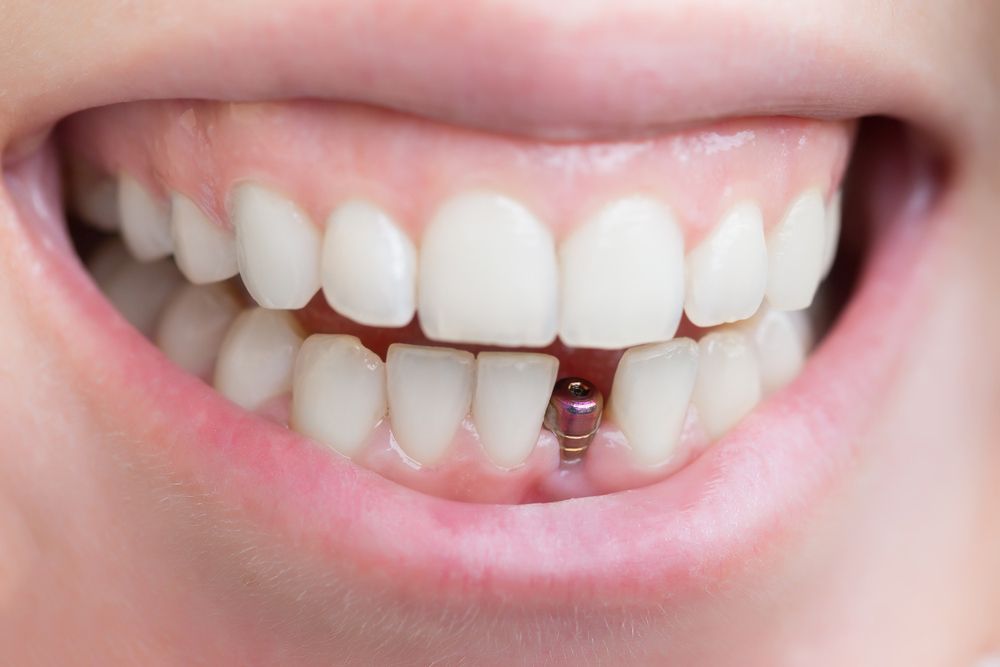
Dental implants are made up of several components that work together to replace a missing tooth structure.
A typical implant treatment may include:
- A titanium implant post placed into the jawbone
- An abutment that connects the implant to the restoration
- A crown, bridge or denture designed to resemble natural teeth
The implant post functions similarly to a tooth root, helping support the visible restoration above the gumline. Many patients researching dental implants in Cairns are surprised to learn that the visible tooth replacement is only one part of the overall treatment process.
The Consultation Stage Helps Determine Whether Implants Are Suitable
Before implant treatment begins, dentists typically carry out a detailed assessment of the patient’s oral health, medical history and jaw structure.
This appointment may involve dental imaging, photographs and scans to examine bone levels and identify any issues that could affect treatment planning. Dentists may also discuss lifestyle factors, oral hygiene habits and existing dental work that could influence the procedure.
The consultation stage gives patients an opportunity to ask questions about timing, treatment stages, healing periods and expected maintenance requirements before any decisions are made about implant placement.
Some Patients May Need Additional Dental Treatment Before Implants Are Placed
Not every patient is ready for implant placement immediately. In some cases, additional dental treatment may be recommended first to prepare the mouth for the procedure.
This may include:
- Treating gum disease or inflammation
- Removing damaged teeth
- Addressing infection or decay
- Bone grafting where bone density is limited
These preparatory treatments can influence the overall treatment timeline. Dentists generally assess each patient individually to determine which steps may be appropriate before proceeding with implant surgery.
How Dental Implants Integrate with The Jaw Over Time
One of the key stages of implant treatment is a process called osseointegration. This occurs when the implant post gradually bonds with the surrounding jawbone during healing.
Healing times vary between patients depending on factors such as oral health, bone quality and the complexity of treatment. During this period, the implant stabilises within the jaw before the final restoration is attached.
Because this stage takes time, dental implants are often considered a longer-term restorative treatment rather than an immediate replacement option. Dentists usually monitor healing carefully throughout the process before moving to the next stage of restoration placement.
Single Implants, Implant Bridges and Full-Arch Solutions All Serve Different Needs
Dental implants can support different types of restorations depending on how many teeth are missing and the condition of the surrounding teeth and gums.
Treatment options may include:
- Single implants replacing one missing tooth
- Implant-supported bridges replacing several teeth
- Full-arch restorations supporting complete upper or lower dentures
Some patients may only require one implant, while others may need a broader restorative approach involving multiple implants. Treatment planning varies based on individual oral health conditions and long-term dental goals.
Daily Care Still Matters After Dental Implants Are Placed
Although dental implants are not natural teeth, they still require consistent oral hygiene and regular dental care.
Patients are generally encouraged to continue brushing carefully around implant restorations, flossing where recommended and attending routine dental check-ups. Plaque build-up and gum inflammation around implants can still affect surrounding tissue health if oral hygiene is neglected.
Many people considering dental implants ask whether implants require special cleaning products. In most cases, dentists recommend simple daily hygiene routines combined with ongoing professional dental monitoring.
Choosing a Dentist for Implant Treatment Involves More than Comparing Costs
Dental implant treatment involves several stages, making planning and communication an important part of the overall process.
When comparing implant providers, patients often consider:
- Diagnostic imaging and treatment planning processes
- Explanations of procedure stages and healing times
- Follow-up care and maintenance recommendations
- The range of restorative options available
If you're researching dental implants near you, understanding the full treatment process can help support more informed decisions before beginning care.
Dental implant treatment often involves several stages, from consultations and planning through to healing and long-term maintenance. For many Cairns residents, understanding how implants work can make it easier to discuss suitable treatment options with a dentist.
We at
The Dentists Cairns Dental Group provide consultations and restorative dental care for patients considering
dental implants in Cairns. If you would like to learn more about implant treatment, replacement options or ongoing dental care,
our team can help you explore the next steps for your situation.